


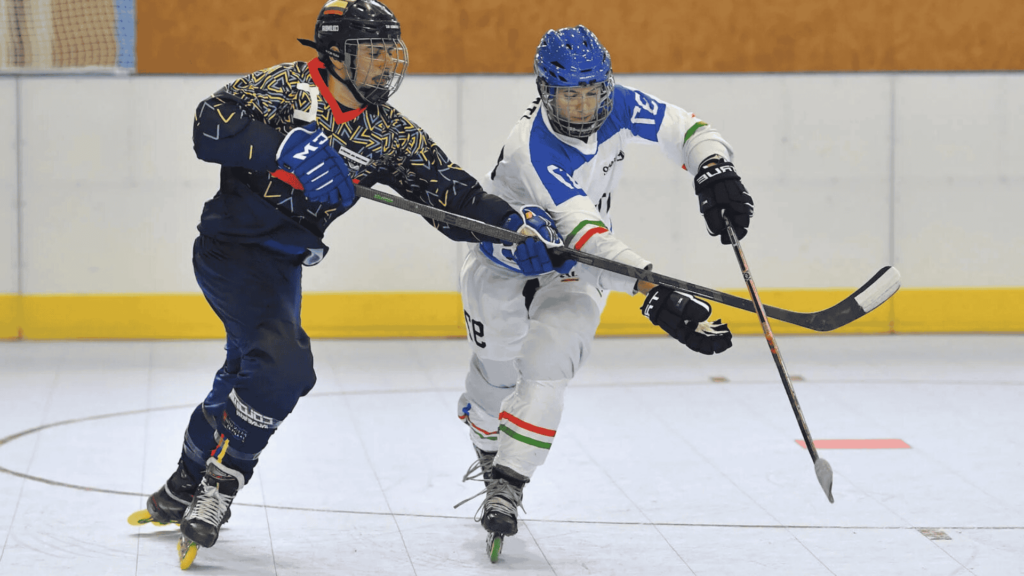
Let’s get those little champs playing like pros!

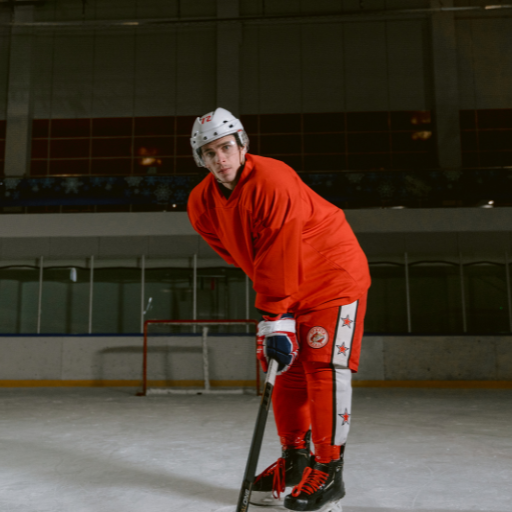
Here’s a guide to help young hockey players develop their skills and love the game:
1. Skating: The Foundation of Hockey
- Balance is Key: Start by getting comfortable balancing on the ice. Practice standing still, shifting your weight, and taking small steps. “Dry land” exercises like balancing on one foot can help too.
- Forward Stride: Learn the proper forward stride: knees bent, pushing off with one leg, gliding on the other. Focus on long, smooth strides, not short, choppy ones.
- Edges and Turns: Once comfortable with forward skating, start learning to use your edges for turns. Practice C-cuts and inside/outside edges. This will help with agility and maneuverability.
- Backward Skating: Backward skating is just as important as forward skating. Start slowly, getting used to the feeling of skating backward. Practice backward C-cuts and transitions.
- Practice, Practice, Practice: The best way to improve skating is through consistent practice. Get on the ice as much as possible!
2. Stickhandling: Puck Control is King
- Hand Position: Proper hand position on the stick is crucial. Grip the stick shoulder-width apart, with your top hand controlling the puck.
- Puck on the Stick: Keep the puck close to your body, within your “bubble” of control. Practice stickhandling in a stationary position first, then while moving.
- Soft Hands: Use soft hands to cradle the puck and make quick, subtle movements. Avoid gripping the stick too tightly.
- Head Up: Encourage young players to keep their heads up while stickhandling. This will help them see the ice and make better decisions.
- Drills and Games: Use fun drills and games to practice stickhandling. Cones, obstacles, and even just playing keep-away can help improve puck control.
3. Shooting: Putting the Puck in the Net
- Basic Wrist Shot: The wrist shot is a fundamental shooting technique. Practice loading the stick, transferring weight, and snapping the wrists to generate power.
- Slap Shot (Advanced): The slap shot is a powerful shot, but it requires more technique and coordination. It’s best to master the wrist shot first.
- Accuracy over Power: When starting out, focus on accuracy rather than power. It’s better to hit the target than to shoot wildly.
- Shooting Drills: Set up targets and practice shooting from different angles and distances. Make it fun with games and friendly competition.
4. Passing: Teamwork Makes the Dream Work
- Tape-to-Tape: The goal of passing is to get the puck “tape-to-tape” – from the blade of one player’s stick to the blade of another. Practice short, crisp passes and longer, more powerful passes.
- Forehand and Backhand: Learn to pass with both the forehand and backhand. This will make you a more versatile player.
- Passing Drills: Use drills that involve moving and passing, such as give-and-go’s and passing sequences.
5. Game Awareness and Strategy:
- Positioning: Teach young players the importance of positioning on the ice. Where they are on the ice can make a big difference in their effectiveness.
- Teamwork: Hockey is a team sport. Emphasize the importance of passing, supporting teammates, and playing together.
- Rules of the Game: Make sure young players understand the basic rules of hockey. This will help them play safely and fairly.
6. Having Fun!
- Love of the Game: The most important thing is to instill a love of the game in young players. Make practices fun and engaging, and celebrate their successes.
- Positive Reinforcement: Encourage and support young players, even when they make mistakes. Positive reinforcement is key to building confidence and motivation.
- Sportsmanship: Teach the importance of sportsmanship and respect for opponents, teammates, and officials.
7. Off-Ice Training:
- Strength and Conditioning: Off-ice training can help improve strength, endurance, and agility. Exercises like running, jumping, and bodyweight training can be beneficial.
- Flexibility: Stretching is important for preventing injuries and improving performance.
- Nutrition: Proper nutrition is essential for young athletes. Make sure they are eating a healthy and balanced diet.
Key Takeaways for Coaches and Parents:
- Focus on Fundamentals: Mastering the fundamentals is crucial for long-term success.
- Keep it Fun: The most important thing is for young players to enjoy the game.
- Patience and Persistence: Learning takes time and effort. Be patient with young players and encourage them to keep practicing.
- Positive Role Models: Be a positive role model for young players, both on and off the ice.
By focusing on these key areas, young hockey players can develop their skills, build confidence, and have a fantastic time on the ice. Remember, the most important thing is to have fun and enjoy the journey!